Following a competitive application process, a select group of classroom teachers has been chosen to implement creative, engaging strategies for teaching memoir to support student writing using funds provided by the new Anne Frank Award for Teaching Memoir.
The awards program—launched in 2025 by the National Council of Teachers of English (NCTE), Penguin Random House, and Anne Frank Fonds Basel founded by Otto Frank—provides 10 English teachers with a $1,000 grant each to teach memoir across language arts education, with a focus on children’s voices and experiences during times of war.
The winners represent middle, secondary, and postsecondary settings in nine states spanning the US. The award funds are supporting these educators as they incorporate new memoirs, book sets, writing projects, and other special learning experiences centering stories and lived experiences through writing and reading. The recipients are listed below. Selected projects include:
-
“Memoir as Mirror and Window: A Multimodal Literacy Project for Eighth-Grade ELA” is an expanded curriculum that encompasses multiple school and district initiatives. Students will deepen their analysis through close reading of memoir with new books, create a multimodal composition in print and/or audio formats, and celebrate their work at a school-led community event.
-
Extending a 10th-grade memoir unit will give students the opportunity to transform their written memoirs into mixed-media zines. New classroom book sets will ground students in common reading. The created zines will be presented in a public Memoir Symposium, giving students the opportunity to speak about their stories and honoring their voices and lived experiences.
-
An English 4 classroom will have meaningful encounters with memoir as narrative, cultural archive, and lived experience. Classroom sets of memoirs will provide an anchor text that focuses on Black Southern writers. This focus will prepare them for an in-person learning experience at a local African American history museum. After the museum visit, the students will hear from a local speaker who can help deepen their understanding and provide additional inspiration for students as they write their own memoirs.
-
High school students will be given access to reading choices that reflect their backgrounds and interests in order to spur their love of reading and classroom engagement. Classroom sets and smaller sets of new memoirs will be purchased to support a literature circle unit. The selected texts will include memoirs that center teen experiences of war, displacement, and prejudice.
-
“Where We Are: Place, Memory, and Memoir in Middle School” is an expanded course within a place-based literacy program and a middle school creative writing course. Memoirs by authors whose work is deeply connected to place and activism will be used as anchor texts and mentor models for students. The texts will inspire students’ original memoir writing, connecting their personal experiences with place. Then students will record oral memoirs and interviews, creating a printed and digital memoir anthology. This project builds a sustainable memoir ecosystem that connects classroom instruction, summer programming, and community storytelling.
-
An 11th- and 12th-grade advanced fiction course will focus on memoir and support students in the creation of personal essays that will be featured in the school’s literary magazine. The funds will support access to the magazine in the school community, motivating students to compose meaningful work that will have expanded influence. Memoirists, autobiographical poets, and narrative nonfiction writers will come to the classroom for a panel discussion to speak with students about the craft of memory, narrative ethics, and representing identity. Additionally, new memoir texts will be introduced to the class as mentor texts as students learn new literary techniques to incorporate into their own work.
-
First-year college students, including veteran and military-affiliated student populations, will create anonymous memoir reflections on life in war-torn countries based on shared texts. They will read one another’s work and reflect on the ways memoir writing allowed them to evaluate their reactions to these texts. Depending on student needs for accessibility, the funds will be used either for travel to nearby museums and memorials or for virtual experiences to view a documentary or a virtual reality experience of war to provide multimodal perspectives on war experiences.
-
“Young Storykeepers: Memoir, Memory, and Identity through Storytelling” is a project for eighth-grade students to explore memoir as a vehicle for identity, justice, and voice. New mentor memoir texts will be added to the classroom and the classroom library. A memoir-to-speech workshop will support students in writing memoirs and conducting oral history interviews. The created materials will be performed and played as recorded excerpts at a public showcase for the school community, along with the presentation of a printed student anthology.
-
A classroom set of mentor texts will provide a chance for community college students to engage collectively with a memoir exploring themes of identity and belonging, war and terror, and connection and resilience. Students will create a personal reflection at the end of the semester on what it means to be an immigrant. They will also create a collage self-portrait that will be displayed at a local art institution for public viewing.
-
Middle School students will take part in an interdisciplinary unit taught by an ELA and a Social Studies teacher. They will explore the history of Japanese American incarceration during World War II by studying graphic memoir with a shared classroom text, study ancient and modern Japanese culture and artifacts, and take a field trip to a local museum. Students will ultimately create their own graphic memoirs using what they have learned about graphic novels, memoir, and artifact preservation.
Contact NCTEAwards@ncte.org with any questions.
MEET THE RECIPIENTS
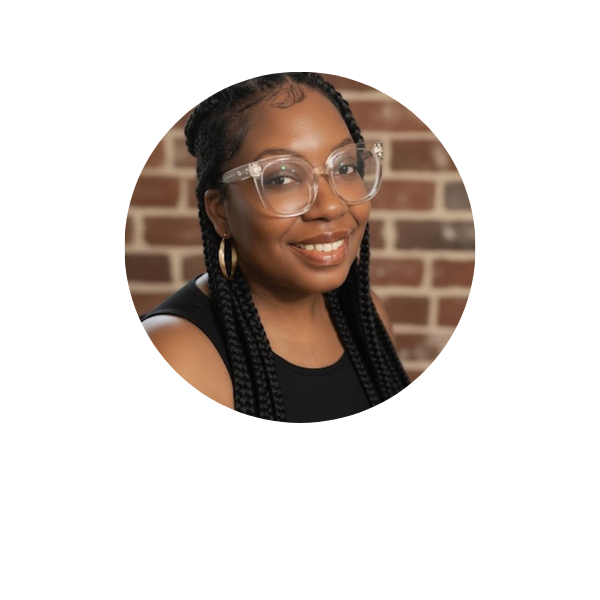
Comfort Agboola is an award-winning educator, literacy advocate, and founder of Lit and Love, LLC. She currently teaches middle school English language arts in Chicago Public Schools, where she centers writing, memoir, and storytelling as pathways to identity, belonging, and student voice. As the 2025 Cook County Co-Regional Teacher of the Year and a 2023–24 Illinois Milken Educator Award recipient, Comfort is widely recognized for cultivating joyful, rigorous, and culturally grounded literacy spaces where students feel seen and empowered to share their stories.
Her work blends research-based writing instruction, restorative practices, and community-centered learning. She has facilitated teacher professional development across Chicago, led student writing programs, and supported educators in designing intentional memoir and narrative writing units. In her consulting work through Lit and Love, LLC, she provides writing workshops, curriculum support, and educator coaching focused on equity, creativity, and authentic student expression.
Comfort believes memoir gives young people language for their lived experiences and affirms their voices as powerful contributors to community and culture. She is committed to expanding opportunities for students to explore their stories, honor their identities, and build confidence as writers who can shape the world with their words.
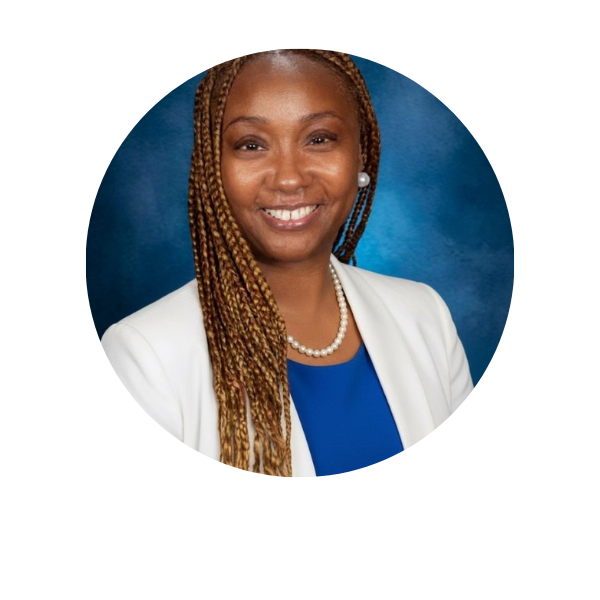
Vivett Hemans Dukes is a veteran English language arts (ELA) educator, writer, and researcher with over a decade of experience in teaching middle and high school students in New York City. She currently teaches eighth-grade ELA and serves on the Executive Committee of the National Council of Teachers of English as the Middle Level Representative-at-Large, advocating nationally for the literacy needs, identities, and voices of young adolescents.
A first-generation American of Jamaican parentage, Vivett understands intimately the ways stories anchor us to our lineage, cultures, and histories. This lived experience deeply informs her teaching. Many of her students are from the African diaspora—Caribbean and African American—and others come from Southeast Asian, Muslim, Hindu, Christian, immigrant, and first-generation American communities. Her classroom is a rich tapestry of cultures, languages, faith traditions, and global experiences.
Recognizing that middle school is a profound coming-of-age period, Vivett uses memoir as a pathway for students to explore identity, honor their families and communities, and articulate who they are becoming. Her work reflects her belief that storytelling is a powerful literacy tool that builds confidence, cultivates belonging, and affirms young people as authors of their own narratives.
Vivett is currently a doctoral student in English education at Teachers College, Columbia University.
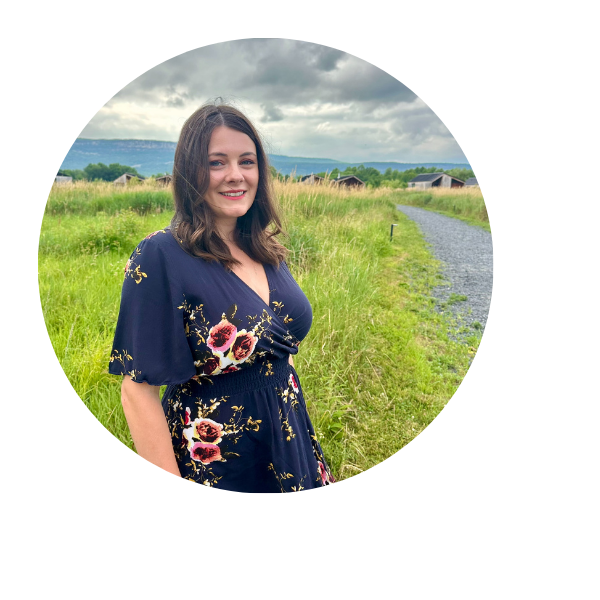
Kayla Ichikawa teaches tenth-grade English at Kingston High School in Kingston, New York. She previously taught English language arts at Sunset Park Prep (MS 821) in Brooklyn. She earned her bachelor’s degree from Binghamton University and her master’s degree in English education from Brooklyn College. Kayla is passionate about helping students recognize the power of their voices and understand personal storytelling as a deeply human act that builds community and affirms agency and dignity in a world that often feels dehumanizing. Her teaching emphasizes critical thinking and dialogue to help students make meaningful connections, situate their own perspectives, and see themselves as agents of change. When she is not teaching, Kayla enjoys reading and being a mom to two young boys.

Patrick Martin is an English teacher at Charleston County School of the Arts in Charleston, South Carolina. He is in his twenty-sixth year of teaching in the Charleston County School District. His work centers on helping students connect personal storytelling with larger cultural and historical narratives, particularly through memoir. Martin is the creator of several yearlong writing initiatives, including the Mosaic Project in AP Language and the Launch Project in English 4, both designed to help students explore identity, purpose, and community through sustained inquiry and creative expression.
A committed advocate for public education and teacher leadership, Martin is currently pursuing an EdD in Learning and Inquiry in Practice at the College of Charleston, where his research focuses on hybrid teacher-leader models and teacher retention. His classroom practice is grounded in culturally responsive teaching, experiential learning, and honoring the stories students bring with them.
Martin’s recent work includes developing a memoir unit anchored in Gullah Geechee culture and the Lowcountry’s archival history, pairing literary study with visits to community institutions such as the Avery Research Center. His teaching reflects a belief that storytelling—personal, familial, and collective—is essential to understanding who we are and who we may become.
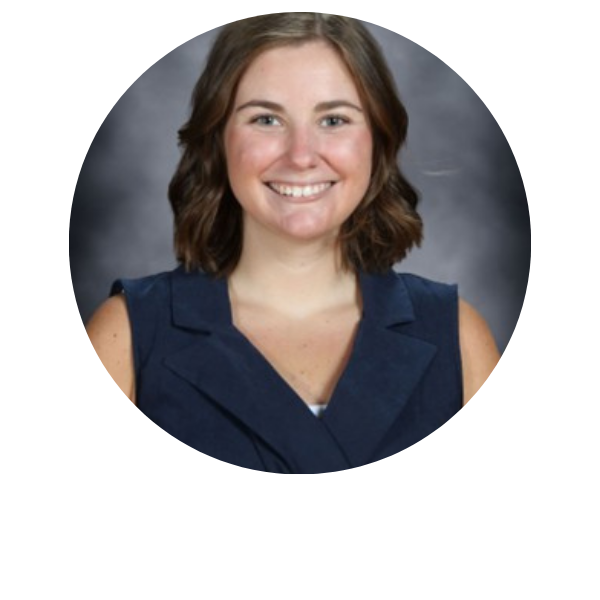
Mackenzie Miller is in her second year of teaching ninth-grade English at Wilson School District in West Lawn, Pennsylvania. Her favorite aspect of teaching is creating new, exciting educational experiences for her students. Mackenzie’s catchphrase is “igniting the spark in every learner.” She does this by introducing students to diverse texts, innovative educational experiences, and experiential learning. Nothing excites her more than hearing her students say, “Wow, that was actually really cool.” In addition to teaching, she is the ninth-grade class advisor and Spirit Club advisor. Outside of school, Mackenzie loves to hike and travel and is planning a road trip to the Colorado national parks. Additionally, she loves to go on walks and play with her dog, Charlie.
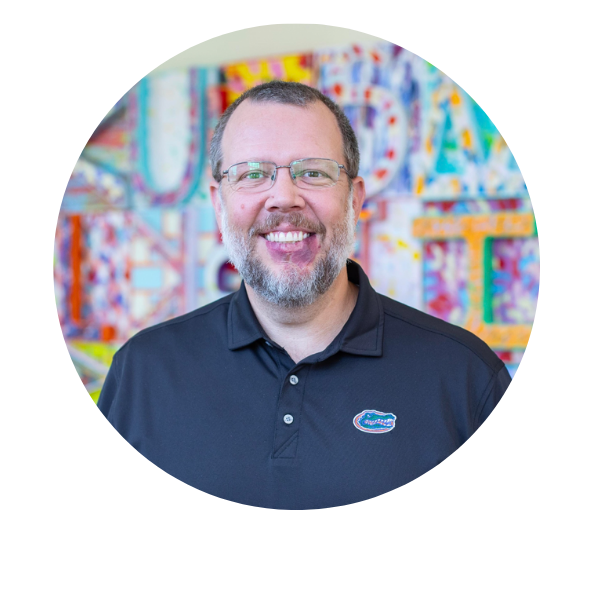
Dr. Jon Mundorf is an award-winning teacher and researcher at P.K. Yonge Developmental Research School at the University of Florida, a preK–12 school dedicated to designing, studying, and sharing exemplary practices in teaching and learning through partnership with the university. With twenty-three years of experience across elementary, secondary, and university settings, Jon currently teaches middle school creative writing and co-leads Wayfinders, a place-based summer literacy program that integrates reading, writing, science, civics, and local context.
Jon has presented nationally and internationally on Universal Design for Learning, inclusive teaching practices, writing instruction, and literacy innovation, including sessions at the National Council of Teachers of English Annual Convention. The Anne Frank Award for Teaching Memoir will support his ongoing work with students to read, write, record, and share stories that deserve to be remembered.
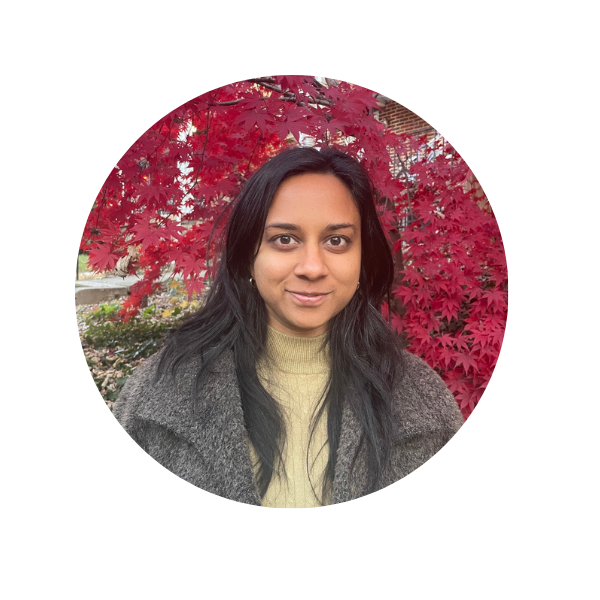
Rhea Ramakrishnan is a writer and educator who has been teaching in public K–12 and higher education environments for a decade. She is constantly exploring ways to create engaging arts-integrated programs for youth and adult learners. She currently teaches world literature and creative writing at Bard High School Early College and serves as a faculty advisor for the school’s literary magazine, The Pale Bull.
Ameer Sohrawardy has been a College Lecturer II in the English department at Ocean County College (OCC; Toms River, New Jersey) since 2019. He teaches courses in basic composition, expository writing, introduction to literary studies, Shakespeare, and world literature. Prior to coming to OCC, Sohrawardy was an assistant professor in the English department at Rutgers University–Newark. He earned his PhD in English literature, with a concentration in the early modern period, from Rutgers University–New Brunswick. He has authored articles and reviews on William Shakespeare, John Webster, and George Sandys. His work has appeared in journals such as the Journal of Early Modern Culture, Shakespeare Bulletin, and English Journal. He has contributed chapters to various anthologies, including Teaching Comedy and Native Shakespeares: Indigenous Appropriations on a Global Stage. He has been awarded grants and fellowships from the University of Pennsylvania and the Andrew W. Mellon Foundation. He lives in Central New Jersey with his wife and three children.
Anna Suppe is a seventh-grade ELA teacher at Mann Middle School in Colorado Springs School District 11. She has her bachelor’s degree from MSU Denver and her master’s degree in curriculum and instruction, also from MSU Denver. She has presented research on equitable literacy interventions and using trauma-informed practices for multiple organizations, including for the Colorado Department of Education, the Association for Supervision and Curriculum Development, the National Council of Teachers of English, and the Colorado Council of the International Reading Association. She looks forward to using the awarded grant to teach They Called Us Enemy by George Takei, a memoir in graphic novel format, with the intention of developing critical thinking skills, as well as increasing community engagement and student agency.

Christina Yanuaria scholarship challenges conventional epistemologies of educational andragogies and embraces a praxis aligned with the communal philosophy of Ubuntu: I am because we are. As an applied linguist, she explores issues of identity in language development and the rhetoric of policy and media. With her students at Sacramento City College, she reimagines critical reading and writing from a woven theoretical foundation of Freire, hooks, and the wisdom of the Siksika Nation: niita’pitapi:, to be held to the greatness that already exists within. Her research and workshops integrate clinical and social psychological concepts that provide practical applications for improving student retention and success through curriculum and program development, such as the “Antiracist Review and Audit Training” and “Relevant and Responsive Pedagogy: Coping with Traumas of 2020 and Beyond”. Her current project is multimodal and reflects on themes of criminality, borders, terror, and war that encompass both geographical and psychological boundaries of racial and linguistic identities. With identities as the shifting proxy for borders, her forthcoming book, Make No Mistake, sheds light on the deeper connections between rhetorical and educational practices and their impact on language acquisition and identity development for Latiné students.