
Led by Will Fassbender, the Preservice Teacher Education cohort is creating materials for the preservice teacher educators, future teachers, and recently graduated teachers to help them enter the classroom better prepared. This cohort recognizes that future teachers need materials to support their own learning as they prepare to enter classrooms where AI is or will be in use.
Meet the Cohort
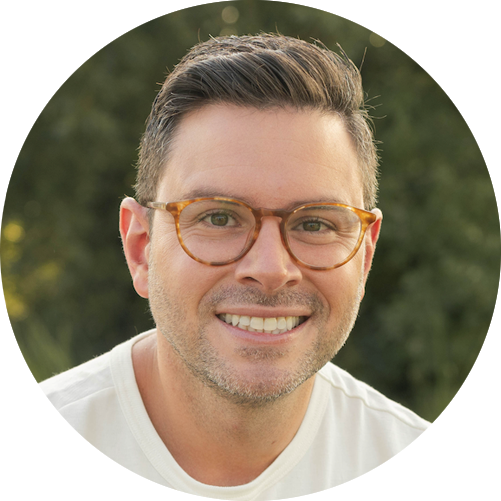
Will Fassbender is an assistant professor of English Education at Montana State University. After having spent six years as a middle school teacher and instructional coach in North Carolina, he received his PhD in language and literacy education from the University of Georgia in 2020. He is the co-director of the Yellowstone Writing Project and served as the digital content editor of the NCTE journal Voices from the Middle from 2016–2020 and has been a member of NCTE since 2010. His research focuses on the impact of technology on teacher identity in secondary English classrooms and uses novel approaches to qualitative inquiry. His current projects revolve around the impact of AI on literacy and composition as well as the challenges English teachers face in an increasingly complex media landscape.
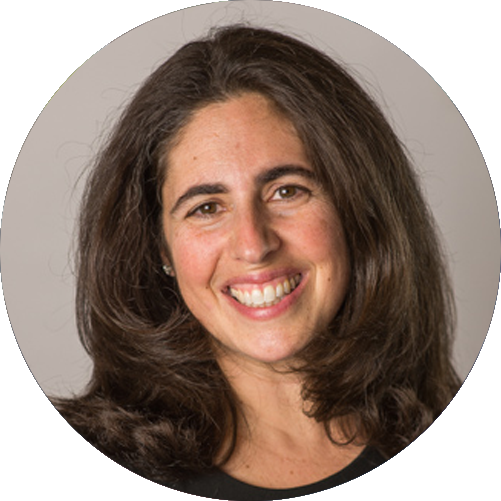
Michele Haiken, EdD, has been teaching literacy for twenty-five years as a middle school English teacher and adjunct professor at Manhattanville University in Westchester, New York. A lifelong learner, educator, author, and speaker, she has taught courses in adolescent literacy, English methods, and writing and thinking in the age of AI. She is the author of New Realms for Writing, 2nd Edition (2026), Personalized Reading, 2nd Edition (2024), and other publications. For over fifteen years, she has written The Teaching Factor blog, sharing practical strategies that integrate digital tools and literacy to support student engagement and achievement across content areas.
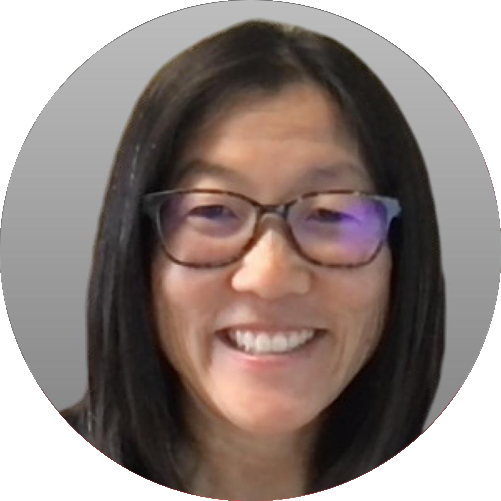
Dana Saito-Stehberger is a teacher, instructional designer, and researcher with over thirty years of experience in K–12, university, and intensive English program settings across the United States, Costa Rica, and Germany. She currently serves as Director of Curriculum and Professional Development for the Elementary Computing for All project at UC Irvine, where she leads the development of culturally sustaining computing curriculum aimed at broadening participation among underrepresented K–8 students. A key focus of her work is supporting elementary and middle school educators as they implement innovative, equity-centered instruction. She is also a member of the Digital Learning Lab’s PapyrusAI team, where she studies how teachers and students engage with AI, particularly in writing instruction. She has designed a thirty-unit, three-course certificate in AI for K–12 education and works closely with enrolled educators to explore how AI can transform pedagogy while building confidence among hesitant adopters.
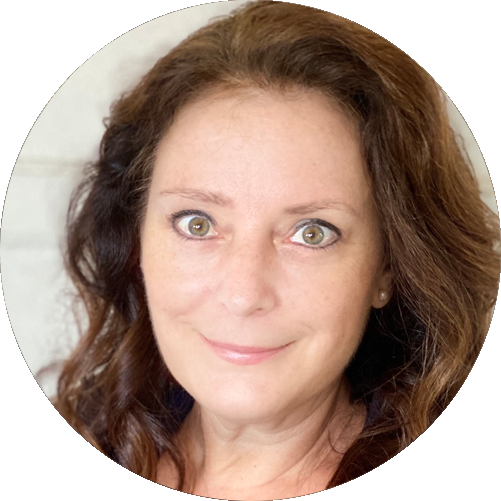
Dr. Amy Var served as a seventh-grade English language arts teacher for over two decades before transitioning last year into her role as curriculum coordinator at Waiākea Intermediate School. Having recently earned her PhD in learning design and technology from the University of Hawai’i at Mānoa, she provides specialized instructional leadership for the ELA department, viewing new tools through the dual lens of practitioner and researcher. Dr. Var also serves as a lecturer at UH Mānoa, teaching educational technology and research methods to graduate candidates. Her work focuses on leveraging technology, including generative AI, to promote higher-order thinking and cognitive rigor. She is passionate about designing transformative instruction for low-socioeconomic school settings, where digital equity is vital to closing the achievement gap. Dr. Var remains a firm believer that technology is a powerful vehicle for fostering student agency and academic excellence in the modern ELA classroom.
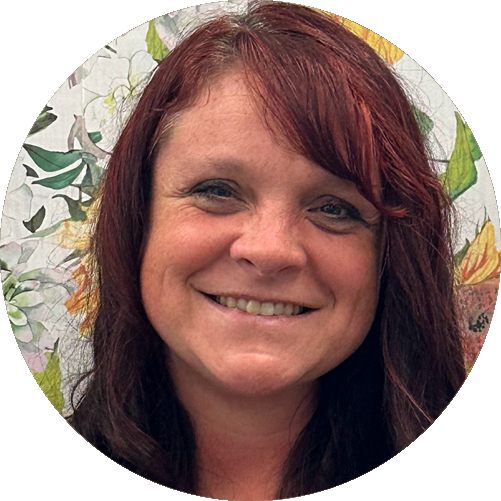
Dr. Katie Wolff works for the Cape Flattery School District at Neah Bay High School, a public school in Washington located on the Makah Reservation. Cape Flattery is the northwestern-most point of the contiguous United States and is called the “beginning of the world” by the Makah people. Dr. Wolff is the instructional facilitator and head of the English department. She serves as Washington State’s Bridge to College English Lead and on CSU’s Expository Reading and Writing Steering Committee. She is also a literacy innovator for KQED. Dr. Wolff is raising six children and a Great Dane, and enjoys hiking and backpacking in her free time.